Special Intensive Revision: Discrepancies Identified In Details Of 89 Lakh Voters
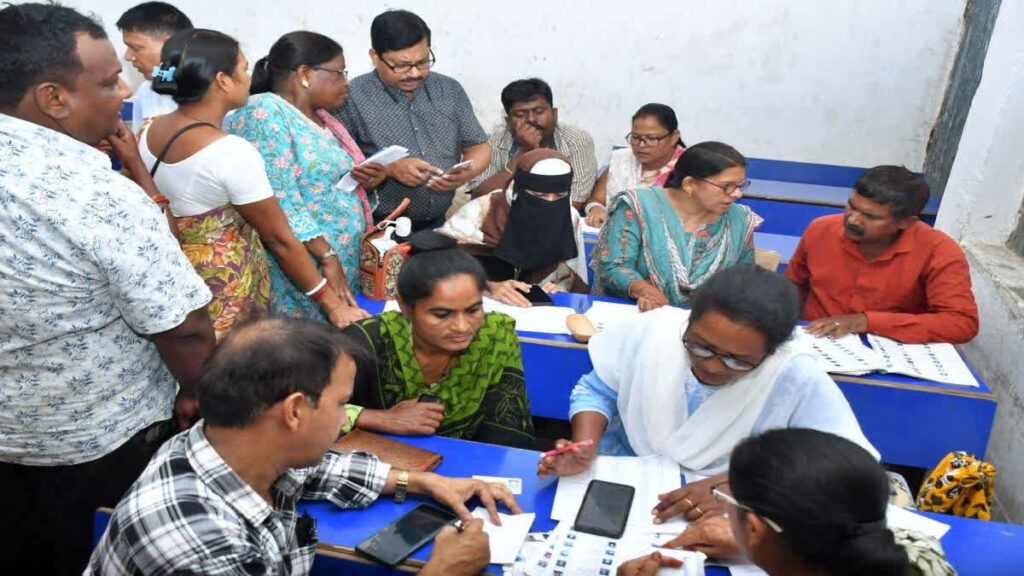
A major political storm has erupted in West Bengal centered around the Election Commission of India’s (ECI) Special Intensive Revision (SIR) of electoral rolls, which resulted in the removal of 89 lakh voters—representing roughly 11.6 percent of the state’s entire electorate. The massive deletion became the primary battleground issue during the 2026 assembly elections, heavily shaping the political narrative between the ruling Trinamool Congress (TMC) and the Bharatiya Janata Party (BJP). Chief Minister Mamata Banerjee and the TMC launched a fierce campaign against the exercise, branding it a targeted, exclusionary tactic designed to systematically disenfranchise a significant portion of the population just weeks before polling. Opposition voices and political analysts pointed out that the 89 lakh deleted names actually exceeded the TMC’s total winning margin from the 2021 assembly elections, sparking intense debates over the democratic legitimacy and potential electoral fallout of such a massive list cleanup. In contrast, the BJP and the Election Commission strongly defended the Special Intensive Revision as a necessary institutional “purification” process. They argued the audit was essential to eliminate duplicate entries, ghost electors, and deceased individuals from lists that had not seen a revision of this scale in decades. While the opposition characterized the informal operational channels as highly irregular, proponents maintained the cleanup was legally sound and aimed strictly at ensuring the integrity of free and fair elections.